
 Escrow Tips for First-Time Homebuyers in 2026
Buying your first home comes with a vocabulary lesson you probably never asked for. Loan estimates, contingencies, earnest money deposits, title reports, Closing Disclosures, wire instructions, impounds, and recording all enter the conversation quickly. Somewhere in the middle of it, someone tells you that you are “in escrow,” even though you may not completely understand what that means.
For first-time California homebuyers in 2026, understanding the process can help make an already complicated transaction much less intimidating. Buyers face affordability concerns, changing interest rates, insurance considerations, financing requirements, and increasingly sophisticated real estate fraud. An experienced independent escrow company such as Exact Escrow in La Verne helps keep the transaction organized while serving as a neutral third party.
Understand What Escrow Actually Does
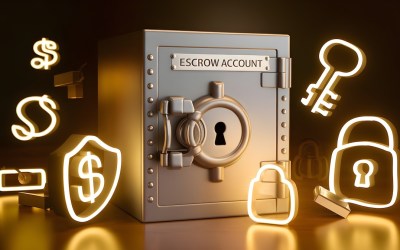
During a real estate transaction, the escrow holder provides a neutral place where funds, documents, and instructions come together before closing. The company follows written instructions from the parties and coordinates many of the details necessary to complete the transaction.
Your escrow officer communicates with multiple participants, tracks documents and funds, and helps confirm that conditions contained in the escrow instructions have been addressed. As a result, escrow often becomes the central connection among buyers, sellers, lenders, title professionals, real estate agents, and others involved in the transaction.
Know Where Your Earnest Money Is Going
 Shortly after a seller accepts an offer, buyers may need to submit an earnest money deposit according to their purchase agreement. Transferring thousands or even tens of thousands of dollars can understandably feel intimidating when you have never done it before. Rather than going directly to the seller, those funds remain with the escrow holder according to the transaction’s instructions and applicable requirements. Buyers should verify transfer instructions carefully and keep documentation showing when and how they submitted their deposit. Lenders may also request records establishing the source of those funds.
Keep Your Finances Steady Until Closing
Receiving mortgage approval does not necessarily mean the lender has finished reviewing your finances. Verification may continue until very close to closing, and significant financial changes can create new questions or documentation requirements.
Until your transaction closes, use caution before:
- Opening or closing credit accounts
- Financing furniture or appliances
- Buying or leasing a vehicle
- Making unusually large bank deposits
- Moving substantial amounts between accounts
- Changing jobs or employment arrangements
- Co-signing someone else’s loan
- Significantly increasing credit card balances
Even legitimate transactions can require additional documentation. Before making a significant financial move, ask your lender whether it could affect your loan.
Pay Attention to Your Rate Lock and Closing Timeline
 Interest rates remain an important consideration for 2026 homebuyers, particularly when small rate differences can noticeably affect monthly payments. Buyers may lock a rate, pay discount points, use seller credits toward financing costs, or choose other strategies to manage their mortgage expenses. Because rate locks generally expire, closing delays can potentially create additional costs or financing changes. First-time buyers should understand when their rate expires and promptly respond to requests from their lender, escrow officer, and other transaction professionals.
Review Your Closing Disclosure Carefully
For many financed purchases, the Closing Disclosure provides critical information about final loan terms and closing costs. With so many numbers on the page, it can feel tempting to check the monthly payment and move on. Instead, compare the final figures with information provided earlier in the lending process. Pay particular attention to the loan amount, interest rate, projected payment, closing costs, credits, and amount required to close. If something looks unexpected, ask about it promptly. Resolving questions before signing can prevent unnecessary confusion as closing approaches.
Never Trust Unexpected Wiring Changes
Wire fraud poses a serious threat in real estate because criminals know buyers may transfer substantial amounts of money at closing. Fraudsters can impersonate escrow officers, title representatives, real estate agents, lenders, or other trusted professionals. Some fraudulent messages look remarkably similar to legitimate transaction emails. Treat any unexpected message changing wiring instructions as a warning sign. Never send money based solely on an email, and do not use contact information contained in a suspicious message to verify it. Instead, contact your escrow company through a previously verified telephone number or communication method.
A few minutes spent verifying instructions can protect money that took years to save.
Respond Quickly Without Sacrificing Security
 Deadlines play a major role in real estate transactions, so buyers should respond promptly when their escrow officer, lender, or agent requests information. However, urgency should never prevent you from investigating something unusual. Cybercriminals deliberately create pressure because they want victims to act before thinking. An email claiming you must immediately wire money to a new account or risk losing the home deserves independent verification. The same applies to unexpected requests for sensitive information or unusual payment methods.
Fast communication matters during escrow, but secure communication matters even more.
Expect Your Cash-to-Close Amount to Change
Preliminary closing figures may change as final information becomes available. Adjustments can involve lender charges, prepaid interest, property taxes, homeowners insurance, seller or lender credits, prorations, title-related charges, and other transaction-specific expenses. When the amount changes, ask your escrow officer or lender to explain figures you do not understand rather than automatically assuming something went wrong. At the same time, plan ahead for your closing funds. Your lender may need to document where the money came from and how it moved between accounts.
Remember That “Escrow” Can Mean Two Things
Confusion often arises because the word “escrow” describes two separate concepts. Transaction escrow refers to the neutral process that helps facilitate the home purchase. After closing, however, your mortgage servicer may maintain an escrow or impound account that collects money for expenses such as property taxes and homeowners insurance. Although they share a name, they perform entirely different functions. Exact Escrow handles the real estate transaction, while a mortgage impound account generally becomes part of loan servicing after the purchase closes.
Ask Questions Before You Sign
First-time buyers encounter plenty of unfamiliar documents, and there is no reason to pretend you understand something when you do not. Ask the appropriate professional for clarification whenever a figure, instruction, document, or request confuses you.
Why Independent Escrow Matters for First-Time Buyers
 Unlike professionals representing one side of the transaction, an independent escrow company remains neutral and follows the mutually agreed-upon escrow instructions. That distinction can prove especially valuable for first-time buyers navigating an unfamiliar process. At Exact Escrow, our experienced team understands that first-time homebuyers may have questions throughout the transaction. We emphasize accuracy, security, clear communication, and exceptional customer service while coordinating documents, deposits, and other details necessary to move the transaction toward closing.
Buying your first home in 2026 involves plenty of moving parts. By watching deadlines, protecting your financial information, verifying money-transfer instructions, communicating with your lender, and asking questions when something does not make sense, you can approach closing with greater confidence.
About Exact Escrow in La Verne, California
Exact Escrow is an independent escrow company serving La Verne and communities throughout Southern California. Our experienced escrow professionals provide neutral, reliable support for residential and commercial real estate transactions, refinances, for-sale-by-owner transactions, and other escrow needs. Exact Escrow emphasizes secure communication, careful coordination, and exceptional customer service throughout every transaction, helping buyers, sellers, real estate professionals, and lenders navigate escrow from opening through closing.