
 Escrow for Investors: How a 1031 Exchange and Reverse Exchange Works
Real estate investors often move quickly when the right opportunity appears. However, selling one investment property and purchasing another can create tax consequences that make the timing and structure of those transactions especially important. That is where a Section 1031 exchange may enter the conversation.
A 1031 exchange allows an investor to defer recognition of certain capital gains when qualifying real property held for business or investment purposes is exchanged for other qualifying real property. While the concept sounds straightforward, the process involves strict requirements, multiple parties, and important deadlines. At Exact Escrow, our role is to help coordinate the escrow side of the transaction with the investor, qualified intermediary, real estate professionals, and other parties involved.
What Is a 1031 Exchange?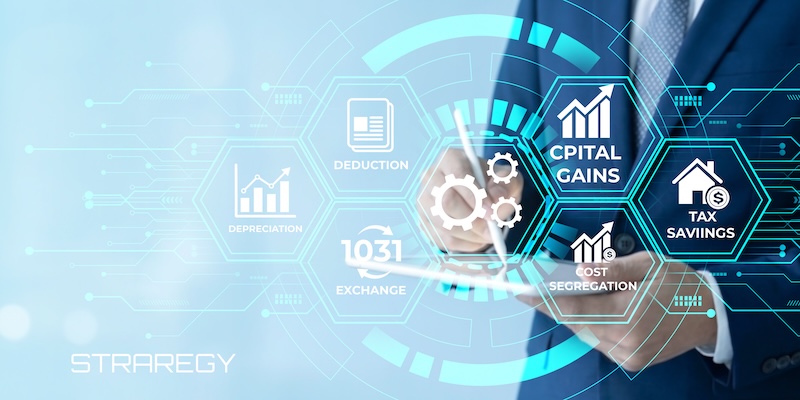
In a typical real estate transaction, an owner sells property, receives the proceeds, and then decides what to do with the money. A 1031 exchange works differently because the transaction must be structured as an exchange rather than simply receiving the proceeds from a sale and later purchasing another property. Generally, the investor sells the property being relinquished and a qualified intermediary, commonly called a QI, facilitates the exchange. The investor then acquires qualifying replacement property while following the applicable requirements and deadlines.
Importantly, Section 1031 currently applies to qualifying real property held for investment or productive use in a trade or business. It does not simply allow someone to sell any property and purchase another while automatically deferring taxes.
Why Does the Qualified Intermediary Matter?
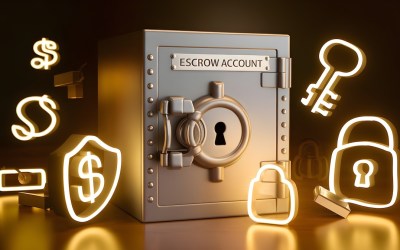
 One of the most important distinctions in a 1031 exchange is that the investor generally cannot simply receive and control the sale proceeds while deciding what to purchase next. A qualified intermediary is commonly used to facilitate the exchange and hold the proceeds under an exchange agreement. The QI and escrow company perform different jobs. The qualified intermediary structures and facilitates the exchange, while we handle our responsibilities as the escrow holder and coordinate closely with the QI and other parties so the transaction proceeds according to the established instructions.
That coordination may include:
- Communicating with the qualified intermediary
- Following appropriate escrow and exchange instructions
- Coordinating documents among the parties
- Directing funds according to authorized instructions
- Keeping transaction records organized
- Helping everyone stay aware of important closing dates
Because several professionals may be involved at once, clear communication becomes particularly important.
The 45-Day and 180-Day Deadlines for a 1031 Exchange
Timing is one of the biggest challenges in a traditional 1031 exchange. Once the relinquished property transfers, the investor generally has 45 days to identify replacement property in writing. The replacement property generally must then be received by the earlier of 180 days after the relinquished property is transferred or the due date, including extensions, of the investor’s tax return for that year. Those periods run concurrently rather than consecutively. In other words, the investor does not get 45 days to identify a property and then an additional 180 days to close.
For investors, that makes preparation particularly valuable. Waiting until the relinquished property closes before beginning the search for a replacement can create tremendous pressure during an already time-sensitive transaction.
 What Is a Reverse 1031 Exchange?
Sometimes the real estate opportunity arrives in the opposite order. An investor finds the replacement property they want before they are ready or able to sell the property they intend to relinquish. A reverse exchange can potentially address that situation. Instead of selling first and buying second, the replacement property is acquired before the relinquished property is sold. However, the investor generally cannot simply purchase the replacement property personally and decide afterward to turn the transactions into a reverse exchange.
Under an IRS safe-harbor structure, an exchange accommodation titleholder, or EAT, generally holds the appropriate property through a Qualified Exchange Accommodation Arrangement while the exchange is completed. Reverse exchanges therefore involve additional planning and coordination among the investor, QI, EAT, escrow holder, lenders, real estate professionals, and tax or legal advisers.
Why Reverse Exchanges Require Careful Coordination
A reverse exchange can provide valuable flexibility when an investor does not want to lose an attractive replacement property. At the same time, adding another entity and another transaction structure makes accurate documentation particularly important.
Depending on the exchange, coordination can involve:
- Establishing the appropriate exchange documents
- Coordinating acquisition of the replacement property
- Working with the QI and EAT
- Tracking identification and completion deadlines
- Coordinating the later sale of the relinquished property
- Making sure escrow instructions align with the exchange structure
The IRS safe-harbor rules for reverse exchanges also include specific timing requirements, including a five-business-day period for entering into the qualified exchange accommodation agreement and 45- and 180-day requirements associated with the exchange.
 Escrow Helps Keep the Moving Pieces Organized
Neither a traditional nor reverse 1031 exchange is something investors should try to assemble casually at the last minute. The tax strategy should be discussed with qualified tax and legal professionals, while an experienced qualified intermediary should be involved early enough to properly establish the exchange. Once the structure is determined, escrow becomes an important part of keeping the real estate transaction itself moving. We coordinate instructions, documents, funds, and closing requirements while communicating with the QI and other professionals involved.
That attention to detail becomes particularly valuable when one transaction depends on another. Missing paperwork, misunderstood instructions, or poor communication can create unnecessary complications when deadlines are already tight.
Plan Before You Sell—or Buy
Investors considering a 1031 exchange should ideally begin the conversation before closing the first transaction. For a traditional exchange, that means planning before the relinquished property sells. Likewise, anyone considering a reverse exchange should consult the appropriate professionals before acquiring the intended replacement property. Exact Escrow does not provide tax or legal advice, and every investor’s circumstances are different. However, once your advisers and qualified intermediary establish the appropriate structure, our experienced escrow team can help coordinate the transaction carefully and keep the many moving pieces organized.
For real estate investors, a successful exchange requires more than finding the right properties. It also requires the right professionals working together at the right time.
 About Exact Escrow in La Verne, California
Exact Escrow is your trusted partner for professional escrow services in Southern California. Based in La Verne, we bring decades of expertise to manage your transactions efficiently. Whether you’re buying, selling, or refinancing, our team is committed to providing reliable, detail-oriented support. Contact Exact Escrow for smooth, stress-free escrow services tailored to your needs.